American Shad
American Shad
Atlantic Shad, Common Shad, North River Shad, Potomac Shad, White Shad
Alosa sapidissima

Description:

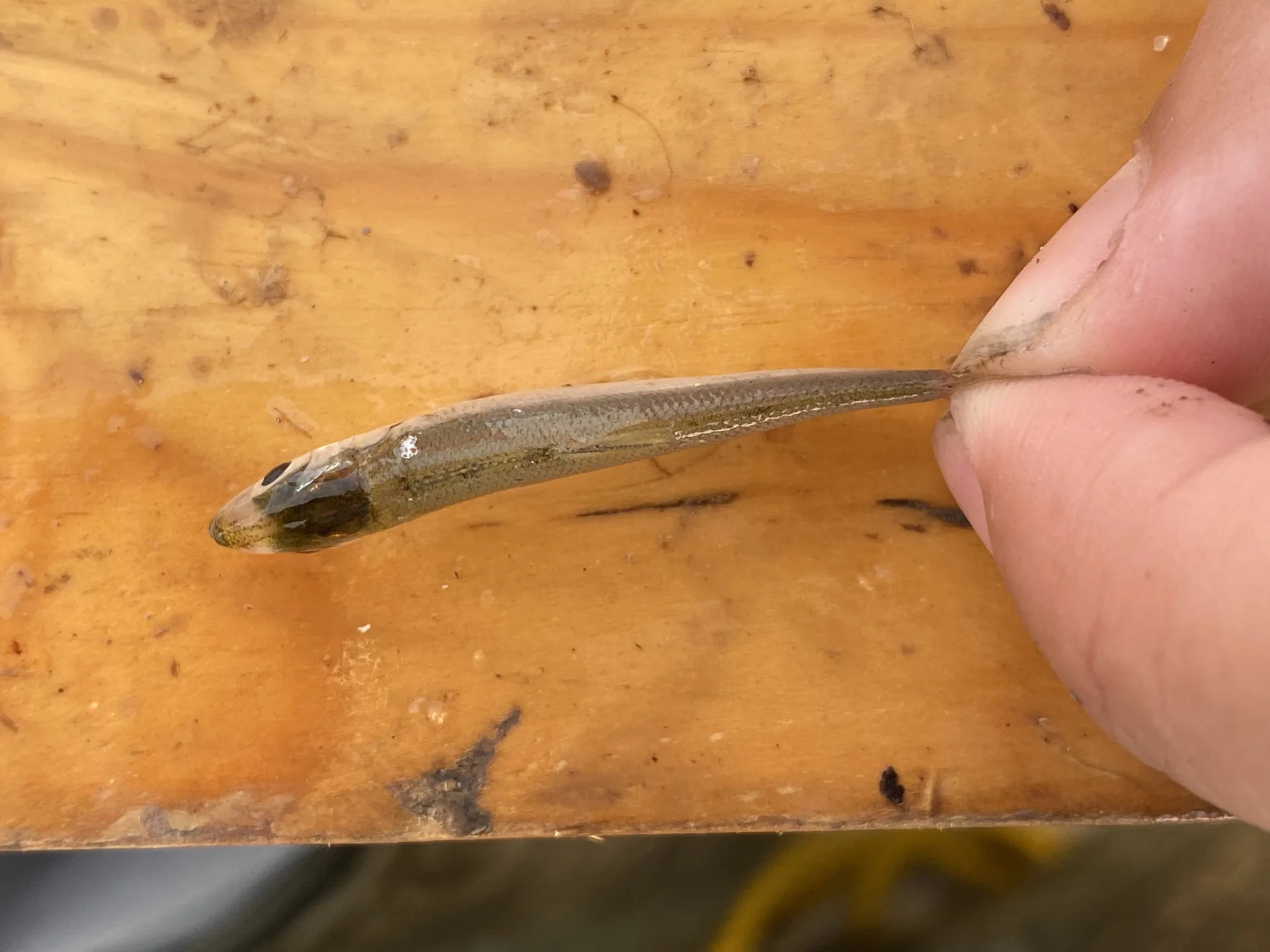
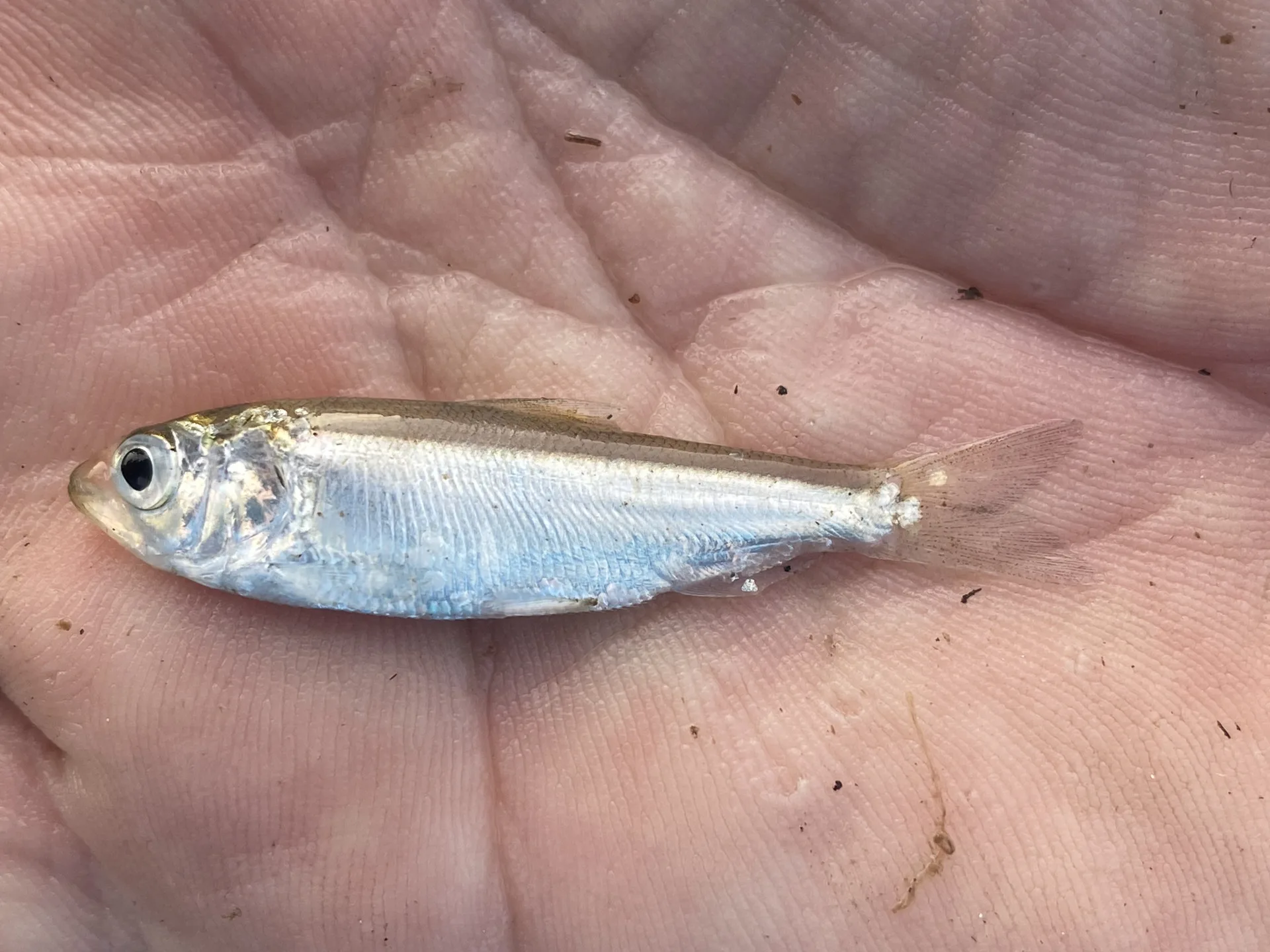
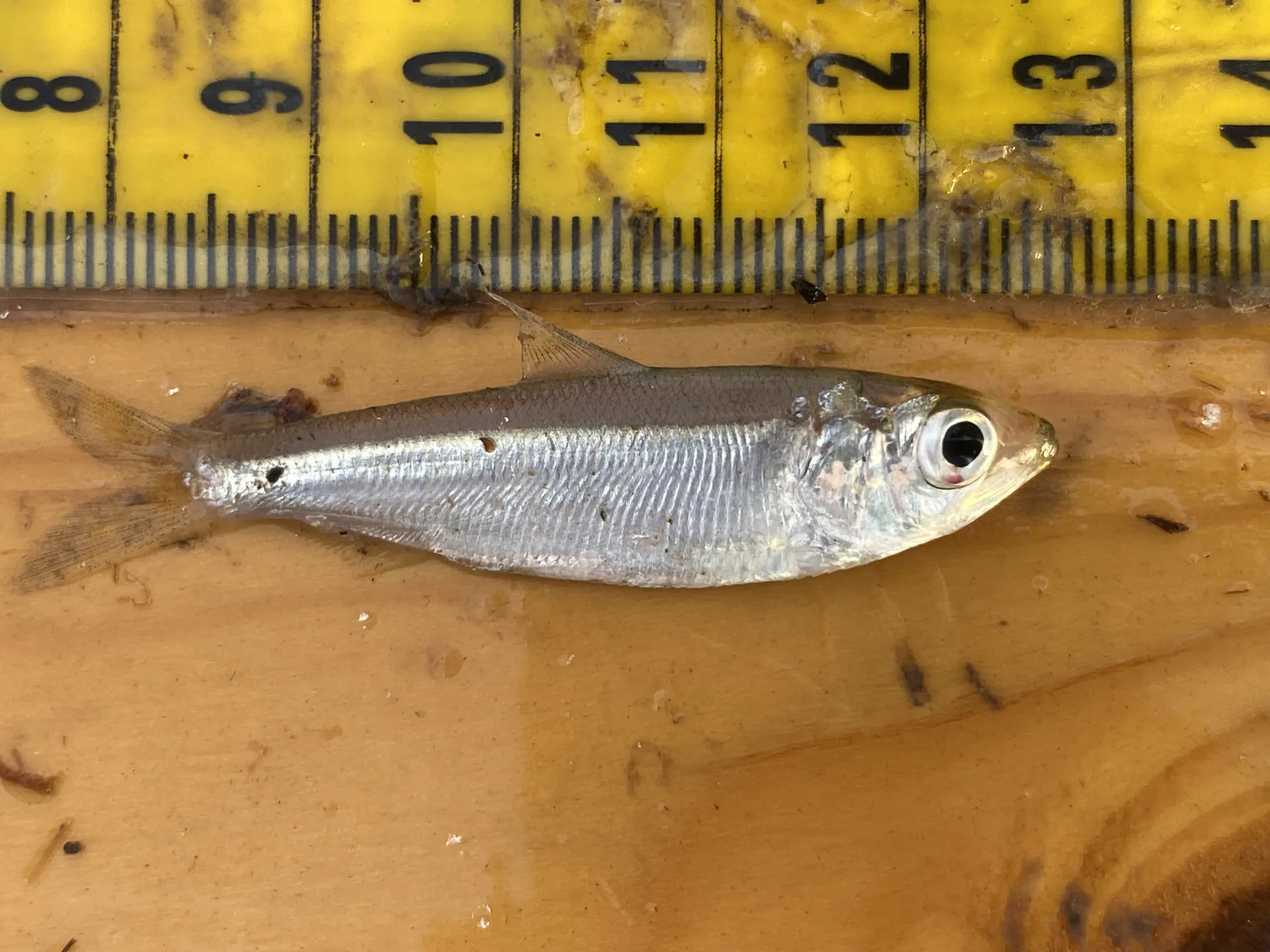
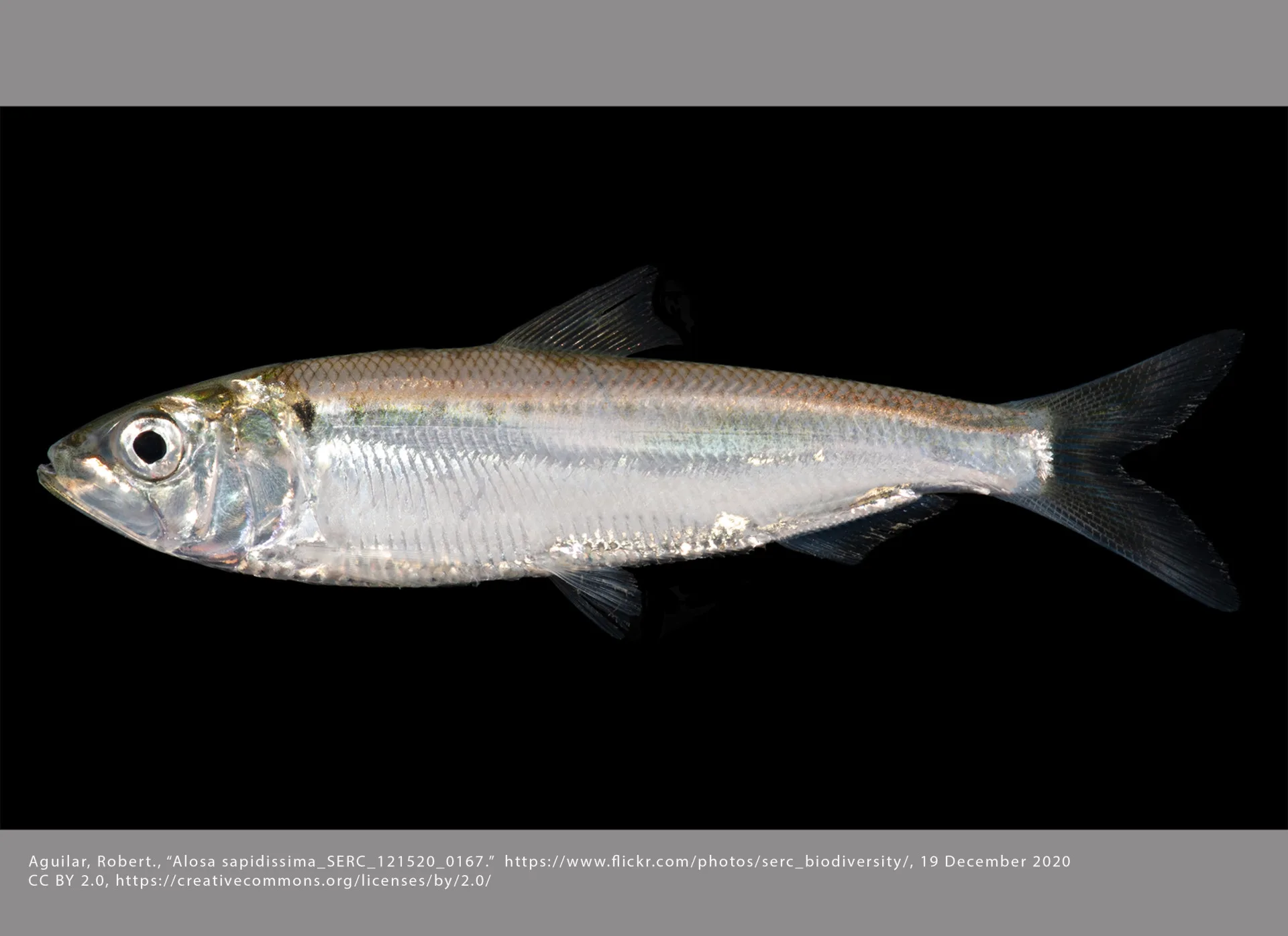
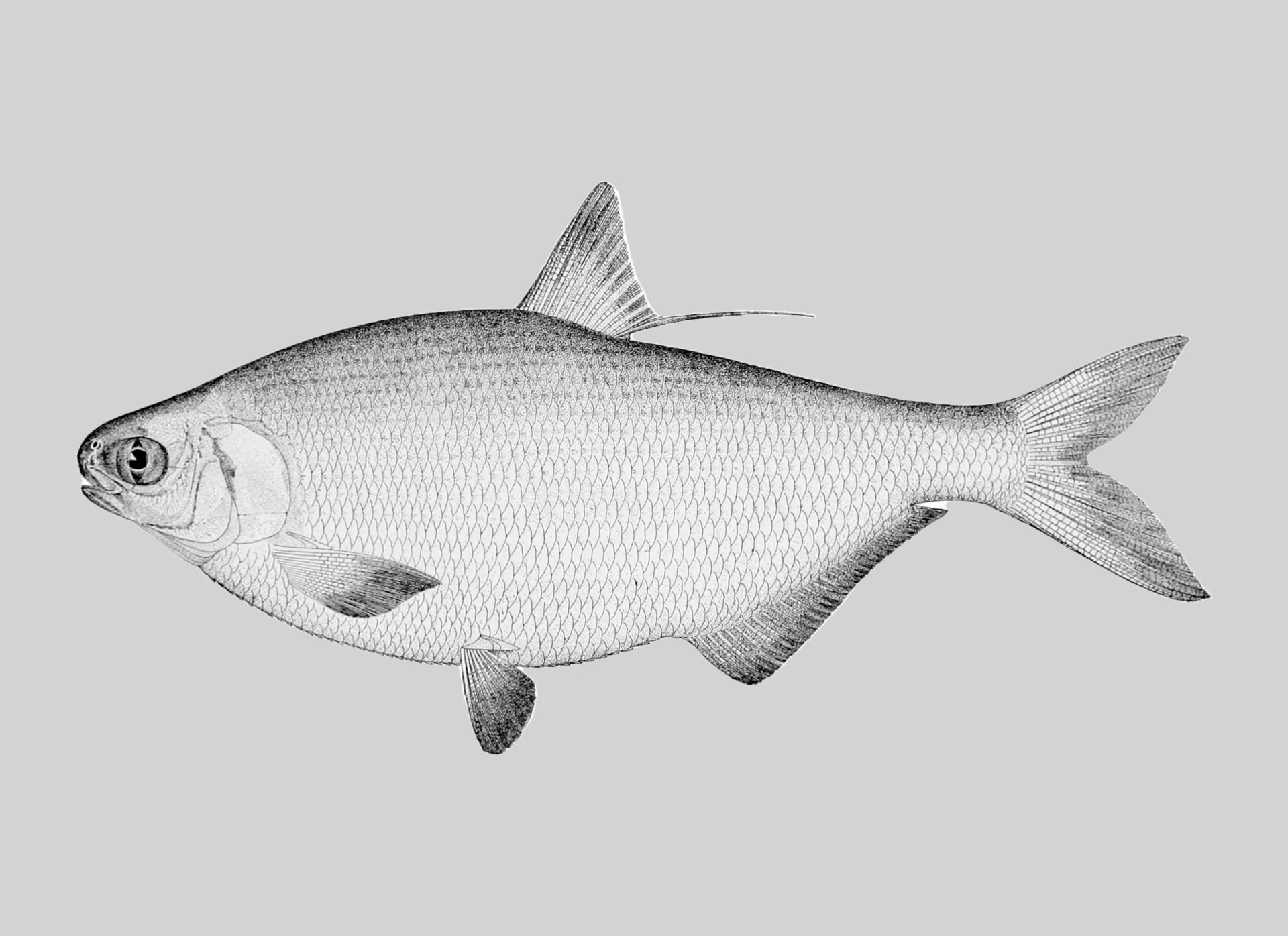
Deep compressed silver body that tapers to a forked tail. Back appears silver/gray-blue to blue green that fades to silver/white near belly. Large dark spot located behind gill plates, followed by one or two rows of more faint spots along upper back. Single triangular dorsal fin. Dorsal and caudal fins greenish. Terminal mouth, lower jaw does not protrude steeply.

Average Maximum Size:

70 cm (27 in)

Adults Distinguishing Characteristics:

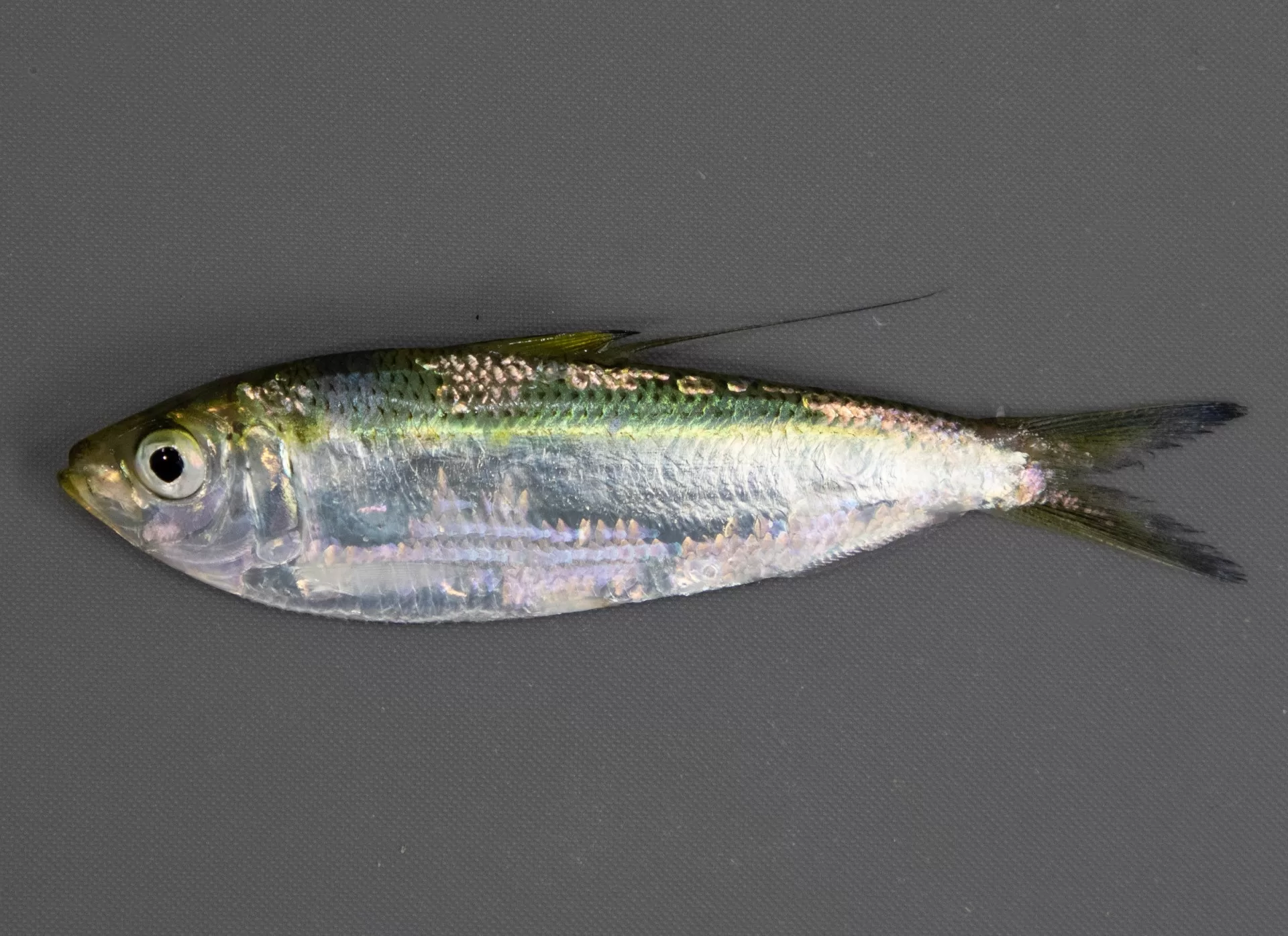
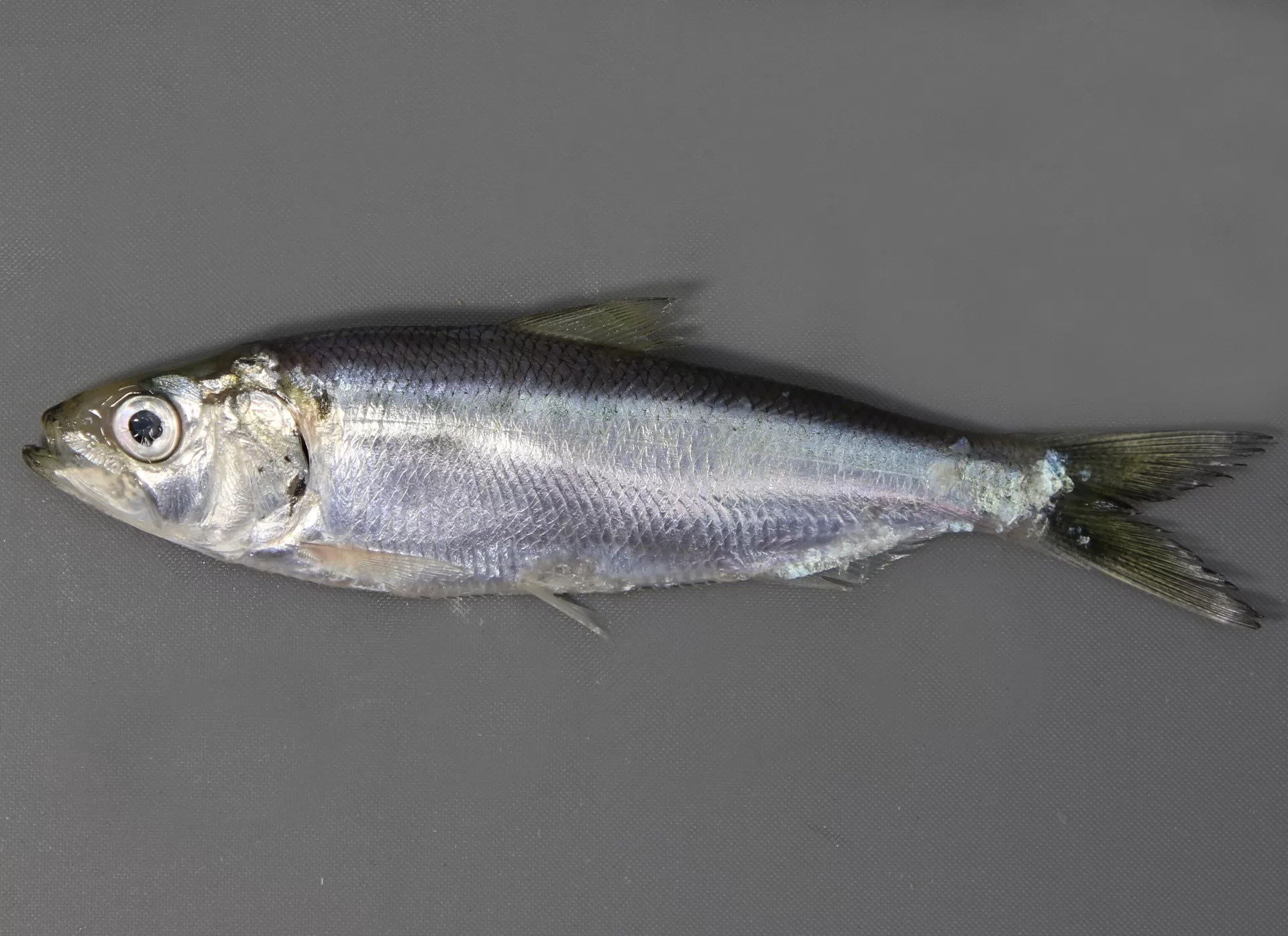
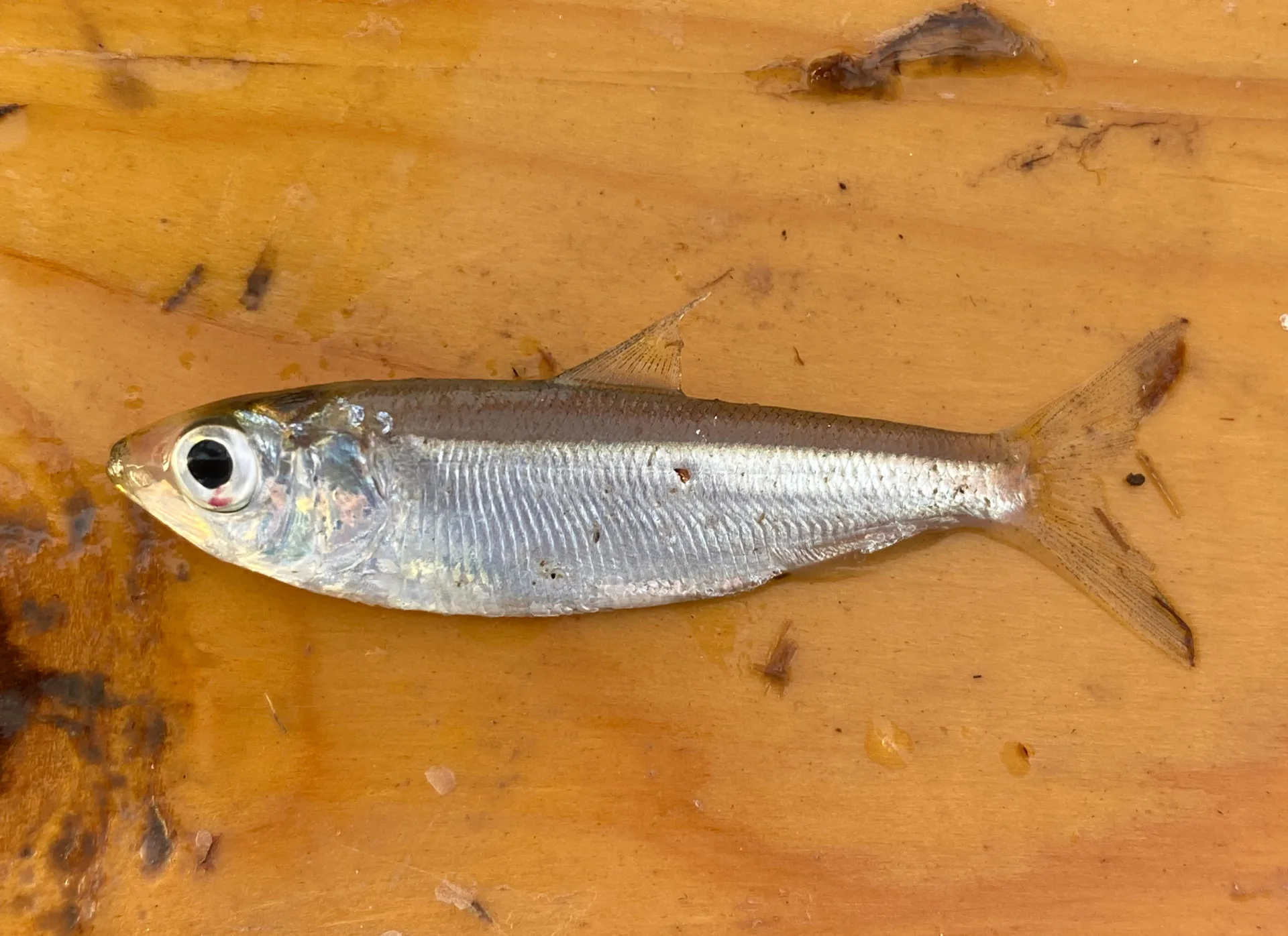
The American Shad does not have a thread-like filament on the back of its dorsal fin like the Atlantic Thread Herring and Gizzard Shad. Additionally the lower jaw of the American Shad does not jut forward as it does in the Hickory Shad.A single or double line of faded spots is present behind the large dark spot behind gills in contrast to the Atlantic Menhaden which may have up to six.

Juveniles Distinguishing Characteristics:

NA

Range:

Novia Scotia to Florida

Habitat:

Anadromous fish, spends adult life in saltwater and migrate to freshwater tospawn. Adults found in coastal salt and brackish waters over the continental shelf when not in spawn during spring and autumn months. Juveniles are found farther upstream during the summer and migrate downstream during autumn as they mature.

Notes:

Regulated Species:

Yes
Species: Alosa sapidissima
Family: Clupeidae
Family Description: Herring
Mouth Type: Terminal
Tail Type: Forked
Dorsal Type: Single

Similar Species

Click on the image below to view details.

Gizzard Shad
Gizzard Shad
Atlantic Menhaden
Atlantic Menhaden
Atlantic Thread Herring
Hickory Shad
Hickory Shad